When you buy art, you're not buying decoration—you're You're making a decision. A hand moved across the screen. One Louis Vuitton-Each piece has shed its original existence and become something irreversible. You acquire weight, texture, authorship, and that unique moment when a material ceases to be passive. You develop a mindset. The object embodies everything—its origins, its purpose, its craftsmanship—and holds on to it all. Keep going, and you’ll understand exactly what that means to you.

When you buy a painting, you're not buying paint and canvas—you're buying a A Crack in Reality, a moment when someone wrested meaning from raw material and succeeded. Material is the starting point, never the goal.
If you want to buy original art, you need to understand: The Value of a Work of Art does not live in the fabric, but in what the fabric carries— Meaning, Attitude, History.
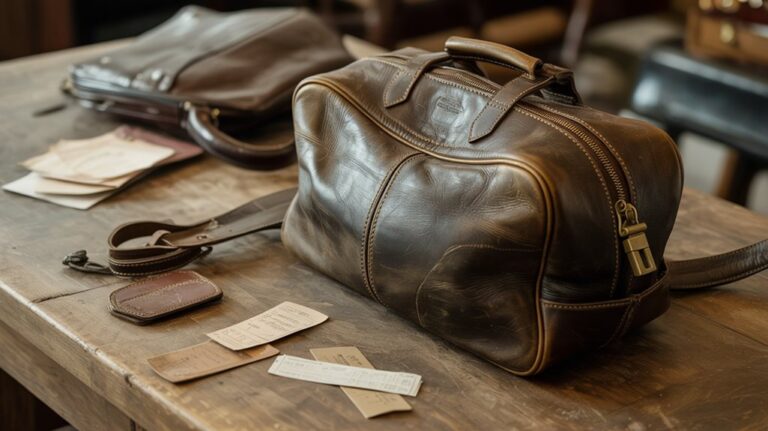
A Louis Vuitton bag embodies craftsmanship. A Hermès silhouette embodies heritage. But when BrandArt by LIST When these objects are combined with hand-painted canvas, something irreversible happens— Luxury is brought up, and the object becomes a statement.
For beginners in art buying, this difference is everything. Price reflects the market. Value reflects meaning. They are never the same equation. The material remains; the transformation goes beyond it. What you hold in your hands is not a product. It is an attitude.
What you buy isn't abstract—it's Canvas, paint, weight, feel. A BrandArt piece by LIST incorporates the original object itself: the genuine Louis Vuitton, the Hermès bag, the Prada silhouette—not as references, but as the very essence of the work.
Format, condition, craftsmanship: these aren't just footnotes—they're the essence.
There is a Canvas behind every BrandArt-Piece – cotton or linen, stretched taut over a hardwood-Frame excited—the kind of surface that holds both memories and color without flinching.
Acrylic or oil, deliberately layered. Every brushstroke is a choice, not mere decoration.
If you ask, “What do you buy at an art show?” the honest answer is: Matter. Weight. Craftsmanship. You’re buying tension in the fabric, pigment that blends with the texture, and corners folded with surgical precision.
*"Buy original"* means purchasing something that was built—not printed, not replicated.
A Louis Vuitton or Hermès piece doesn't just hang on the canvas; it becomes one with it.
The frame holds everything together. The Color Speaks Volumes. The object makes it real.
Before a BrandArt piece ever makes it onto a wall, it exists as physical argument – measurable, documentable, indisputable. Measurements recorded – Height over width. Condition assessed with the precision of a surgeon and the eye of a collector. Flawless. Impeccable. Uncompromising.
Every piece I create—whether it’s a Louis Vuitton canvas meeting raw acrylic, or a Hermès silhouette imprinted with painted rebellion—is documented upon arrival: photos, condition report, cataloged truth. No ambiguities. No approximate values.
Format determines presence. A Large-format BrandArt-Werk doesn't whisper; it commands the space like a Prada runway in a dilapidated warehouse. Size is a statement. Condition is integrity. Presentation is the final act of transformation—where street-born energy meets gallery-worthy durability ...and the object becomes, indisputably and irrevocably, yours.

But what you're really buying can't be touched—it's the decision, to draw the line right there—the gesture that arises from a Hermès Straps and turns raw canvas into a unique, irreplaceably personal object.
Idea, style, context: three forces that imbue the work with its true value long before it even touches a wall.
A Louis Vuitton isn't worn—it's reborn, through the hand of an artist, in a moment that will never be repeated.
Behind every BrandArt piece is a Decision – not just about color, but about meaning.
Why this canvas, why this Hermès Birkin, why this moment in particular?
The idea is the skeleton—invisible, yet supportive.
Ralf List does not choose his subjects at random: Every stroke, every composition, every encounter between the brush and Louis Vuitton leather is a deliberate statement.
Criticism of consumerism meets beauty.
Street meets salon.
The work doesn't stop at the surface—it begins there.
The personal style is evident not in perfection, but in consistency: a visual language that Prada and doesn't separate street art, but brings it together.
What you're buying isn't the object.
You're buying into the mindset behind it—the decision, the idea, the mark left by a thinking person.
What you see is never the whole story. Behind every BrandArt Studio There's a story behind it that goes deeper than paint on canvas. An original Louis Vuitton, a Hermès, a Prada—not recycled, but reinvigorated. I don't paint objects. I write a biography in the material. The moment of creation, the decision, the brushstroke – All of this is part of the work, invisible and yet present, like the silence before a clap of thunder.
Uniqueness doesn't come solely from rarity. It arises from context, from intention, from that very specific moment when luxury ceases to be a status symbol and begins to make a statement. No second copy. Not part of a series. Just this one piece—with the story of its creation as an invisible yet inseparable part of it.
If you have a piece BrandArt by LIST When you buy it, you’re not simply acquiring an object—you’re claiming a document of transformation, a Louis Vuitton or Hermès vessel reborn on canvas, signed and certified as a singular truth.
The Certificate of Authenticity It's not just paperwork; it's a manifesto, a chain of custody that traces the work from my studio all the way to your hands—complete and indisputable. Signature, COA, Provenance – These aren't just formalities; they are the architecture of trust that distinguishes a living work of art from a beautiful lie.
As soon as a piece leaves the studio, its second life begins—and that requires paper.
One Handwritten signature It is not merely an abbreviation; it is a promise, etched into canvas or leather. But promises need witnesses.
The Certificate of Authenticity It lists the title, technique, dimensions, and year—it translates the artwork into a language that markets understand.
The Provenance tells the story of its journey: from the studio, through its first owner, all the way to your hands.
With BrandArt by LIST wears every one-of-a-kind piece—whether it’s a Louis Vuitton, a Hermès, or a Dior – this complete triad: signature, certificate, and origin.
Three layers. Three truths. Without them, even the most beautiful object remains nothing more than a beautiful rumor.
Authenticity isn't just a formality—it is the Foundation, on which the value is based.
Trust isn't built on claims—it's built on proof. A work's value doesn't lie in a gut feeling, but in the evidence that traces its path through the world.
Title, material, year of construction, condition—these details aren’t just red tape; they’re architecture. At BrandArt by LIST Does "documentation" mean that every canvas bag, every original Louis Vuitton, Hermès, or Prada bag is a complete history reads: Product photos, condition reports, Proofs of Origin.
Not because the market demands it, but because Authenticity is earned—through transparency, diligence, and integrity. Missing Documentation It's not a detail; it's a gap that fills with doubt.
Anyone who owns a one-of-a-kind item also owns its history. And that history, backed by precise documentation, is the strongest argument against any doubt.

Anyone who has a work by BrandArt by LIST When you buy it, you're not just adding a decoration to your wall—you're bringing a certain attitude into your life.
One Louis Vuitton, reread. A Hermès, freed from the boutique. Prada and Dior, returned to the street they never knew.
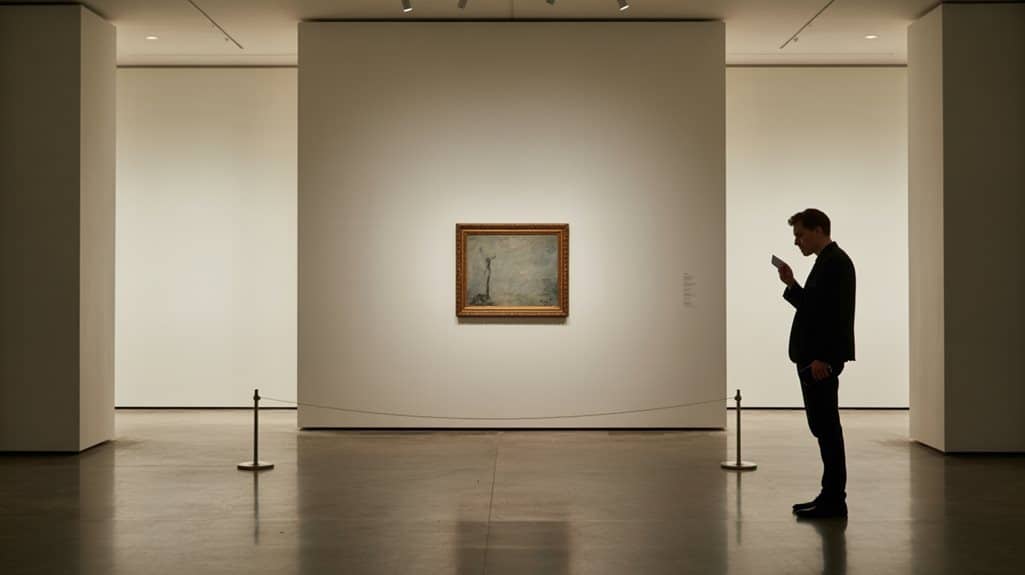
The artwork transforms the space in which it hangs—the atmosphere, the energy, and the silence that follows.
This isn't a purchase. It's a decision.
When you stand in front of a one-of-a-kind FireArt piece, you can feel the asphalt beneath the parquet, the paint beneath the varnish, and the raw beneath the polished.
Every 1/1 Work bears a signature, a story, a Provenance Without Detours. Direct. Clear. Distinctive.
You're not just buying a property—you're buying a perspective, a language, a sense of belonging to a movement that Luxury: Not Consumed, but Transformed.
That's what stays. That's what makes an impact. That's who you are.
The feeling lingers—but then the reality of the purchase sets in. Not every work of art that catches your eye is already yours. Availability is the first barrier standing between desire and ownership.
A Louis Vuitton or Prada item that has become a canvas is not a stock item. It is a process. Production upon request Meaning: You don't wait for art—art happens for you.
The sales contract specifies dimensions, materials, and technical specifications. Here, precision isn't about bureaucracy—it's about respect. Before taking the first step, there's the first question: Is it available??
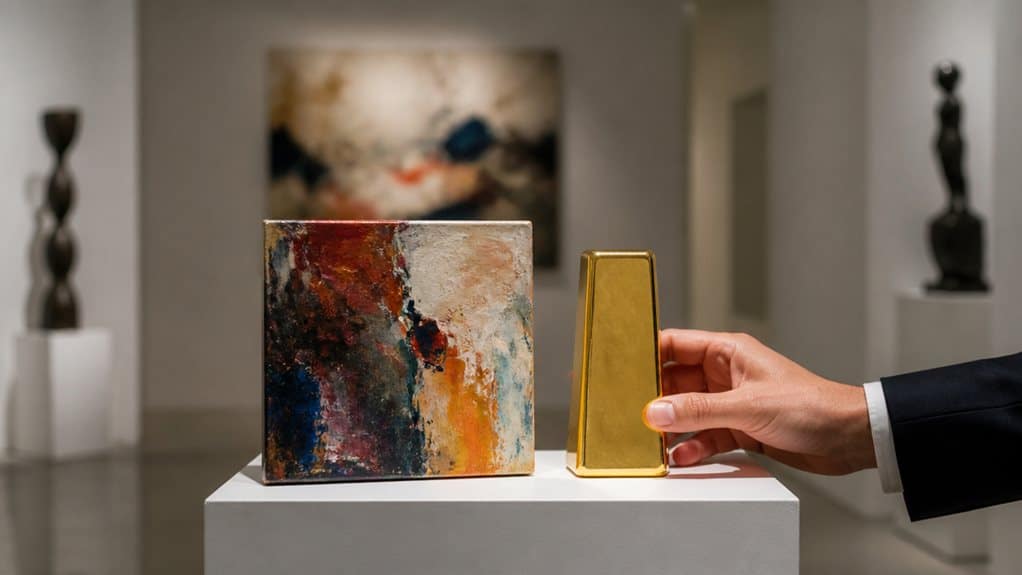
There is a line between desire and reality that many overlook—and it costs them dearly.
Buying a piece of art because it haunts you, because it breathes, because it redefines your walls—that is The Spirit of Collecting.
Buying a work of art because you Expected return, is something else. Both are legitimate. But don't confuse them.
The art market does not follow the logic of the stock market. No dividends, no standardized pricing, No guaranteed liquidity.
Scientific analyses show real returns of about 1.22% per year – well below the S&P 500.
The truth is uncomfortable, but liberating.
BrandArt by LIST doesn't think in terms of portfolios.
A Hermès Birkin, transformed into a hand-signed, one-of-a-kind piece; a Louis Vuitton item, reimagined through art—that is cultural heritage.
Value here stems from significance, craftsmanship, and rarity.
Not through speculation. But through attitude.
You buy a property—and then something starts that you can't turn off.
A canvas, a bag, a one-of-a-kind piece—but really, you’re buying a moment, an attitude, a version of yourself that you don’t quite know yet.
BrandArt by LIST turns discarded Louis Vuitton, Hermès, and Dior items Hand-signed 1/1 works, the between the street and the gallery Life, between commitment and beauty.
That thing is yours. The relationship begins after that.
You hang it up, look at it, wear it—and it responds. Not out loud. But constantly.
That's not consumption. That's resonance.
Each work bears the Energy from its source: Asphalt over hardwood floors, luxury over rebellion, identity over decoration.
You don't just collect. You decide who you are—object by object, wall by wall, work by work.
Here’s my advice: Protect the artwork from light, moisture, and dust. Clean it only gently—preferably with the guidance of a conservator. This will help you preserve the original material, value, and the unique energy of this one-of-a-kind piece.
Only 12% of art buyers check the rights of use—a costly mistake! Simply owning the work does not give you the right to display it publicly or use it commercially. Clarify the rights in a contract beforehand; otherwise, you risk legal consequences.
Your work remains yours—the artist’s death does not change that. What does change is that new, one-of-a-kind BrandArt pieces are no longer created, while existing ones become rarer and often more valuable. Your provenance documentation is crucial in this regard.
Yes, that's generally possible—but be sure to clarify it Before You Buy Contact Ralf List directly. Subsequent alterations made without prior consultation may compromise the authenticity and value of your one-of-a-kind piece.
Think of it as a passport to your freedom—a BrandArt piece is correctly identified as Visual Arts / Fine Art Classified as such; not considered a household item. You need special art insurance, not standard home contents insurance.
So, here's something to keep in mind: You're not just buying art—you're inheriting a silent revolt. A Louis Vuitton reborn, a transformed Hermès, color over patina, rebellion cloaked in sophistication. This isn't just decoration. It's a statement. You're not just filling walls; you're taking a stand on how you see the world. BrandArt It doesn't sell products—it sells the audacity to embrace your contradictions with style. That's worth more than any price tag.
This text and these images were generated using artificial intelligence (AI). In the interest of transparency and in accordance with the standards of the EU AI Regulation, we would like to point out that the content was subsequently subjected to careful editorial review and human verification. The publisher bears the final editorial responsibility.
 German German
 English
 Spanish
 French