Every luxury item speaks before you do— Louis Vuitton‘s monogram, Hermès leather, Prada's clasp—all prewritten sentences that you didn't write. I change what they say. BrandArt by LIST applies raw pigments over polished surfaces, asphalt over parquet flooring, and restores authorship to the medium. This is not decoration; it is a statement. Status becomes attitude. What was once a fabricated sense of equality is becoming a unique, irreversible identity. Keep going—there’s more to discover.

One Designer Bag has always spoken before her owner did— Louis Vuitton's Monogram, Hermès’ tanned leather, the soft click of a Prada clasp that announces its presence in every room. But a Status symbol It merely repeats what the market has already said. It borrows its vocabulary from someone else.
Language registers function as a social code in the following way: Those who merely quote are not heard. Those who paraphrase alter the meaning.
BrandArt by LIST breaks this code. Ralf List takes the Dior bag, the Hermès silhouette, the iconic leather—and writes over them. Literally. On canvas, with paint, with attitude. Raw Energy meets a polished surface. Asphalt over hardwood floors.
The result is no longer just a product. It is art—a personal statement, one-of-a-kind piece, your voice in a world full of copies.
After all, when you wear something no one else has, you finally speak your own language.
A Hermès Birkin doesn't have price tags—it carries meaning: success, a sense of belonging, the The Silent Language of Financial Freedom.
I don't see these objects as accessories, but as social statements that are made before a single word even leaves your mouth. Their logos are instantly recognizable, their silhouettes universally coded—and that's exactly where I come in, where BrandArt by LIST rewrites the message without deleting its effects.
Before a single word is spoken, A bag does the talking – she whispers wealth, "Roars" Status, whispers a sense of belonging to those who speak the language of the Logos.
A Louis Vuitton Monogram, a Hermès buckle, a Prada triangle—each one a phrase in a social vocabulary that most people never consciously decipher.
A status symbol isn't jewelry; it's a statement. It signals financial freedom—the audacity to spend more than necessary, to own what others can only dream of.
It signals Belonging – a silent handshake with a tribe that recognizes its own.
Success, made visible, stitched into leather, stamped into metal.
But that's where BrandArt by LIST comes in: It refuses to let the object simply recite society's script. It puts the pen back in your hand.
Every logo is a loaded weapon—not aimed at a specific target, but at a room full of strangers who read it instantly, effortlessly, without a second thought. That is the raw power of the Recognizability – a recognition so profound that it completely bypasses language. A Hermès clasp, a Louis Vuitton Monogram, a Dior silhouette: Each one sends a signal before you’ve even said a single word. But this is exactly where BrandArt by LIST reimagines the system. I don’t just wear a Status symbol – I transform it. Every Custom Luxury Property It becomes a canvas where the street meets the salon, where asphalt interrupts the parquet floor, where the collective code is broken down and reassembled into something unique. The brand is still speaking. But now it’s speaking *to you*.
Luxury brands sell you the promise of Uniqueness – but every Chanel flap bag, every Hermès scarf carries the same DNA, replicated a thousand times in identical hands.
Choice is not an expression; it is navigation within a curated cage. I see BrandArt by LIST as the break in this fence—where the object stops speaking for the house and starts speaking for you.
There is a paradox in every Hermès Birkin, in every Louis Vuitton Monogram, in every Prada silhouette moving through a crowded room: The dream they’re selling is unique—but the object itself is plural. Thousands of hands bear the same seams, the same hardware, the same carefully crafted illusion of rarity.
The question of whether it’s a status symbol or a fashion statement hits the nail on the head here—because, structurally speaking, a Dior bag off the assembly line is a beautiful repetition. Exclusivity that rests on controlled scarcity is based, not on true uniqueness. It is precisely in this tension that BrandArt by LIST Into the game—raw, deliberate, uncompromising.
For the Brandart collector, the original object becomes a canvas, not a commodity. The Luxury Bags as Art is not just empty rhetoric. It is the only honest response to a system that sells uniqueness in bulk.
Choosing a Chanel means choosing a Mythology to choose—but the mythology was written long before you arrived. The brand speaks first. You follow. Choice masquerades as self-expression, yet every Louis Vuitton monogram, every Hermès silhouette, every Dior Silhouette is wearing a preloaded identity – shaped by decades of corporate vision, not by yours. That's the gold-plated cage: beautiful, precise, immovable.
BrandArt by List picks the lock. Ralf List takes these consecrated objects— Prada Leather, Hermès canvas—and layered raw, painted gesture It goes beyond that, transforming ownership into a statement. The bag ceases to be a brand symbol. It becomes your symbol. Choice ends where a statement begins. That's the break. Not a rebellion against Luxury – Rebellion through him, with him, carrying him differently.
If I have a Louis Vuitton or take a Hermès and press it against raw canvas— The paint is bleeding As a legacy, texture clashes with heritage—the object ceases to be a purchase and becomes a stance.
The expected message arrives.
What emerges is not status; it is perspective, history, self.
BrandArt by LIST doesn't merely decorate luxury; it hijacks its grammar and writes something new.
Color isn't decoration—it's an explosion. When I rich crimson against the structured silence of a Louis Vuitton Monograms I don't just put things together or accessorize—I question them. Here, red doesn't whisper of power; it screams it out—and laughs while doing so. Context shatters expectations.
One Hermès Bag, once encoded as arrival, becomes a question mark shrouded in color. Prada meets pigment. Dior meets disruption. The canvas does not merely decorate the object—it rewires it, shifts its frequency, and forces a new interpretation.
Warm tones ignite. Cool tones cut through. Together, they completely negate the original message. That is BrandArt by LIST: Gallery instinct fused with street flair, where every color choice is a conscious act of liberation, and that worn item becomes a statement that only you could make.
Just owning something was never enough— Possession Without Intent It's just storage. If a piece of Louis Vuitton Or when Hermès meets my canvas, something irreversible happens: the object ceases to be possessed and begins to *position itself*. It expresses taste, tension, and territory.
BrandArt by LIST transforms this understated Prada or Dior into a vibrant statement about who you are and where you stand—not within an office hierarchy, but within a cultural sphere that you define yourself.
The magnetic display, the floral background, the raw urban context that contrasts with polished leather—these aren’t decorative choices. These are coordinates. Possessions fade; Positioning remains. Whatever hangs on your wall or stands in your room no longer whispers of wealth. It Speaks fluently – in beauty, in rebellion, in the awareness of the difference.

A status symbol signals hierarchy. A personal statement signals *you*. These are not the same gesture, and the difference is important:
Ownership alone is passive. Anyone with a line of credit can buy prestige.
But combining a collector's bag with hand-painted canvas—asphalt over hardwood floors, a gallery over a boutique—that takes some thought.
LIST does not merely adorn luxury. It questions it, and then returns it in a transformed state.
The result is not a status. It is Posture.
Someone drew a line—silk over concrete, hardwood over asphalt—and called it value. You inherited the rules. BrandArt by List breaks them in a beautiful way.
| Old Signal | New Statement |
|---|---|
| Unused Louis Vuitton Monogram | Canvas-mounted, signed 1/1 original |
| Prada as a possession | Prada as an Artistic Provocation |
| Wearing Dior to Gain Recognition | Dior Reborn Through a Personal Vision |
| Hermès as a Hierarchy | "Hermès" as a reappropriated term |
Here, luxury items don’t retreat into glass display cases—they transform. Raw pigments meet stitched leather. Street energy collides with gallery precision. Every piece bears your fingerprint—literally.
That's not collecting. That's making a statement.
BrandArt by List transforms quiet status into a bold identity—tactile, rebellious, unmistakably yours. The movement doesn't wait for permission. Neither should you.
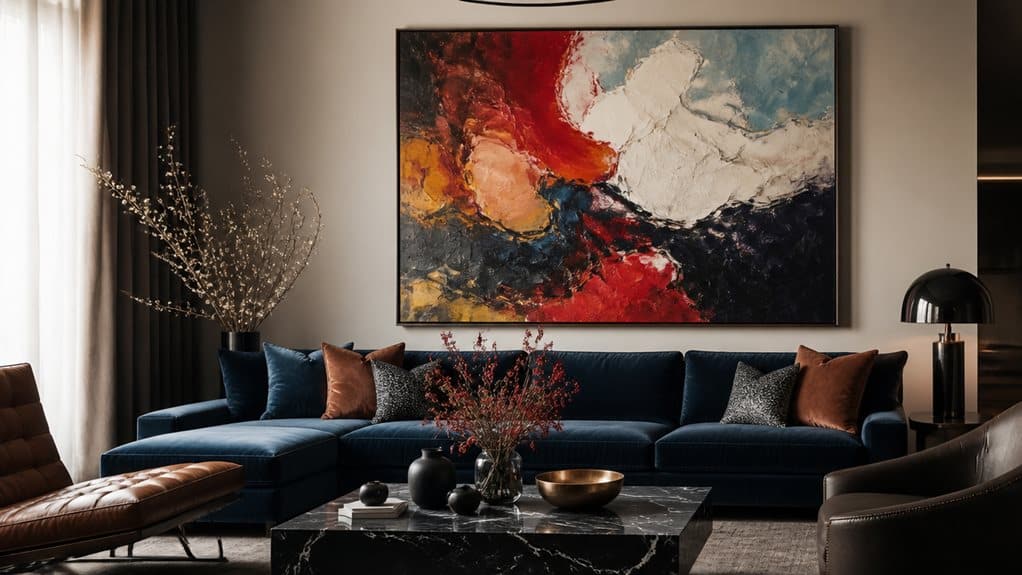
What a BrandArt-What a piece brings into a room is not just pigment and leather—it’s a statement, a challenge, a mirror. The person who chooses one isn’t just decorating a wall. They unearths identity.
Three things a BrandArt piece reveals about its owner:
That's not collecting. That's positioning. Every brushstroke List applies to an original work poses the same question back to the room: *What does your taste really cost you?*
The answer lies in the work itself. Courageous, unique, irreversible. One 1/1, which carries its owner just as the owner carries it.
Price is just a number that someone else has set—character is the choice you make when no one is watching. That is the quiet turmoil within everyone BrandArt by LIST-piece comes to life. I’m not interested in how much a Hermès or Louis Vuitton bag costs—I’m fascinated by what happens when it becomes something that’s entirely yours: painted, signed, transformed. A 1/1 One-of-a-kind It's not a matter of buying; it's a matter of deciding. That difference changes everything.
Luxury without purpose is just noise. But when you blend a Prada silhouette with the raw energy of canvas, when Dior meets asphalt instead of hardwood floors, you’re not buying status—you’re defining your identity. Harmonious. Deliberately. Unmistakably you.
BrandArt is located where the gallery opens out onto the street, where transformation isn't superficial but fundamental. Your values, your vision, your voice—carried, taken along, put on display. Not the most expensive option. The most conscious.
I can't give you an exact number—each BrandArt piece is created individually, and the time it takes varies depending on the design, technique, and desired depth. It's your one-of-a-kind piece, not a mass-produced item.
No, I don't alter or damage the original bags before I start working on them. Each piece remains intact—what I add is the canvas, which transforms it into a 1:1 work of art while preserving the bag's authentic luxury identity.
Yes, you can bring your own bag! Ralf List will transform your personal designer piece into a one-of-a-kind BrandArt creation. Just send us a direct request and share your story.
A one-of-a-kind BrandArt piece is legally considered a work of art if it’s yours personal intellectual creation is—recognizable by its unique color choices, composition, and style. Protection is automatically granted as soon as your creative signature is objectively recognizable.
You can find BrandArt works right in the BrandArt by List's Online Gallery – as long as they aren't marked as sold. I also recommend keeping an eye out at international art fairs, where you can experience one-of-a-kind pieces in person.
You always had a choice—most people just never made it. A Vuitton canvas repainted by hand, a Hermès Silhouette, reborn in oil: These aren't just accessories anymore—they're statements. Like a Renaissance patron commissioning his own portrait, you decide what the object conveys. "Status" is a loanword. Your statement is written by you, spoken by you, and belongs to you—completely and irrevocably.
 German German
 English
 Spanish
 French